



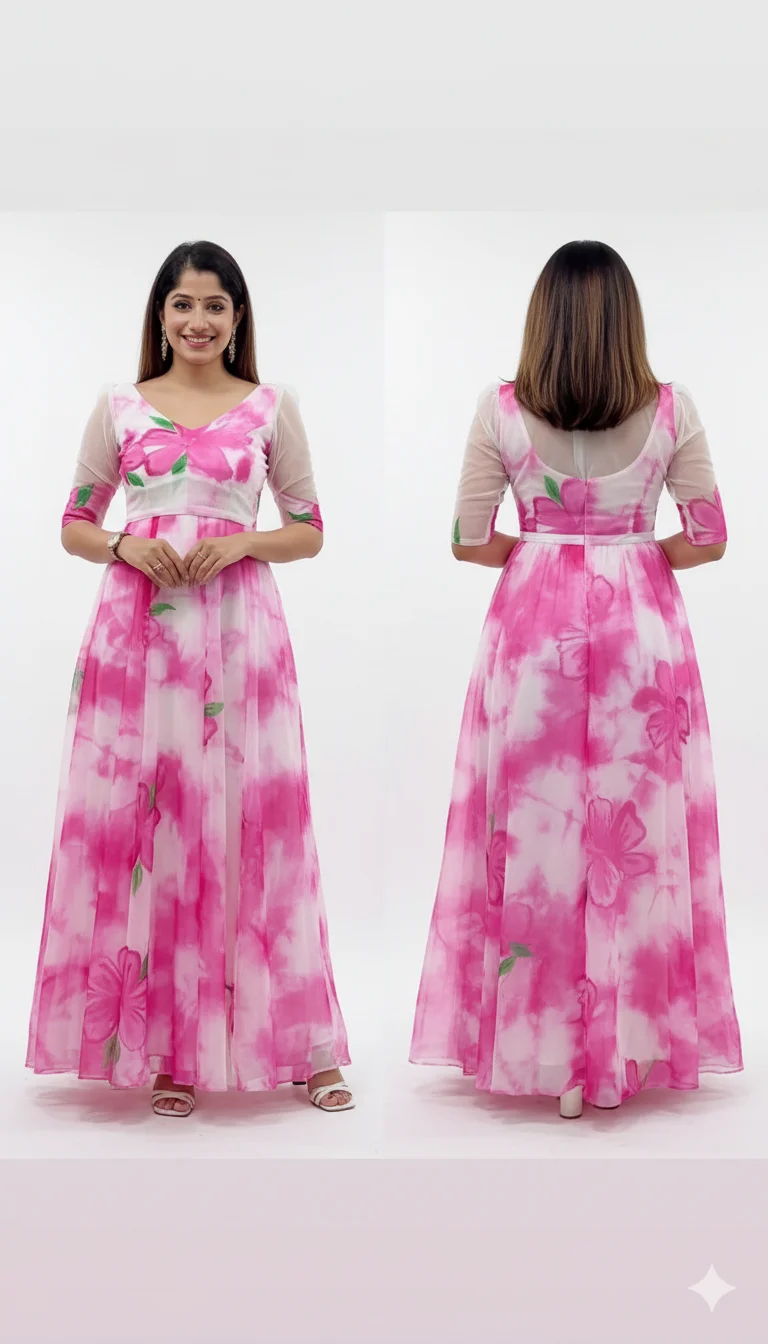

Many brides and wedding guests now choose an Indo-western gown instead of a lehenga, especially for receptions, engagements and cocktail nights. Here is when a gown makes sense and how to style it.
When to choose a gown
- Reception and cocktail events: gowns look modern and glamorous.
- Engagement ceremonies: elegant without being too traditional.
- When you want ease: a gown is one piece, quicker to wear and easier to move in.
- Destination weddings: lighter gowns are easier to pack.
When a lehenga may be better
- Traditional ceremonies such as the pheras.
- If you love a layered, heavily embroidered look.
Choosing a wedding gown
- Silhouette: A-line and anarkali-style gowns are the most flattering.
- Fabric: georgette and net for flow; silk blends for structure.
- Embroidery: sequins and zari for evening; thread work for day.
- Colour: pastels for day, jewel tones and metallics for evening.
Styling with a dupatta
- Drape the dupatta on one shoulder for a modern look.
- Pin it on both shoulders like a cape for drama.
- Skip it entirely for cocktail parties.
Jewellery and accessories
- A statement necklace or heavy earrings, not both.
- A maang tikka for a traditional touch.
- A clutch and heels.
Fit tips
- Have the bodice fitted closely; it shapes the whole gown.
- Check that you can sit and dance comfortably.
Common mistakes to avoid
- Choosing a gown that restricts movement. Check you can sit, walk and dance.
- Very heavy embroidery for day events. It can look overdone.
- A dupatta that keeps slipping. Pin it securely.
- Skipping alterations. The bodice fit makes or breaks a gown.
Frequently asked questions
Can a bride wear a gown instead of a lehenga?
Yes, especially for the reception, engagement or cocktail events.
What is an Indo-western gown?
A gown that combines Western silhouettes with Indian embroidery, fabrics or dupattas.
Which colours suit wedding gowns?
Pastels for day; jewel tones and metallics for evening.
Do gowns need a cancan?
Some do, especially net and organza gowns that need volume.
How should I wear a dupatta with a gown?
On one shoulder, pinned as a cape, or skipped entirely.
Choosing between gown and lehenga
- Gown: easier to wear, modern, good for receptions.
- Lehenga: traditional, layered, ideal for main ceremonies.
Three complete outfit examples
The bride’s reception. Wear an ivory or blush A-line gown with silver zari and sequin work, and a sheer dupatta pinned on one shoulder. Add a diamond-look necklace, matching earrings, a maang tikka and heels. A soft side-swept hairstyle looks graceful in photos.
The engagement ceremony. Choose a pastel mint or powder blue gown with thread embroidery and a light cape-style dupatta. Add pearl jewellery and comfortable heels. The lighter colour suits day events and looks fresh.
The cocktail night. Pick a midnight blue or black gown with sequins and skip the dupatta. Add statement earrings, a clutch and glamorous makeup. This look is modern and perfect for dancing.
Planning the fitting schedule
Order a wedding gown at least six to eight weeks ahead. Plan a first fitting a few weeks before the event and a final fitting about a week before, wearing the same shoes and undergarments you will wear on the day. This leaves time for small changes.
Budget-friendly choices
If budget is a concern, choose a gown in a colour you can wear again, such as navy, wine or emerald. Skip the heavy dupatta for later events and pair the gown with different jewellery to create new looks.
Comfort on the day
Carry a small kit with safety pins, a needle and thread, tissue and blotting paper. Long ceremonies are easier when you can fix small problems quickly.
In short: choose a gown for receptions, engagements and cocktail nights when you want elegance with ease. Keep a lehenga for traditional ceremonies, and style your gown with a light dupatta and one statement piece.