


Choosing a winter jacket is easier once you know what each style is designed for. A jacket that is perfect for a Delhi morning may be too much for a Mumbai evening, and the right fit makes a big difference to how warm and comfortable you feel. This guide explains the main types of men’s winter jackets, with examples, so you can pick the one that suits your weather and your wardrobe.
Puffer jackets
A puffer jacket has stitched sections, or baffles, filled with insulation. The pockets of trapped air keep body heat in, which is why puffers feel warm without being very heavy.
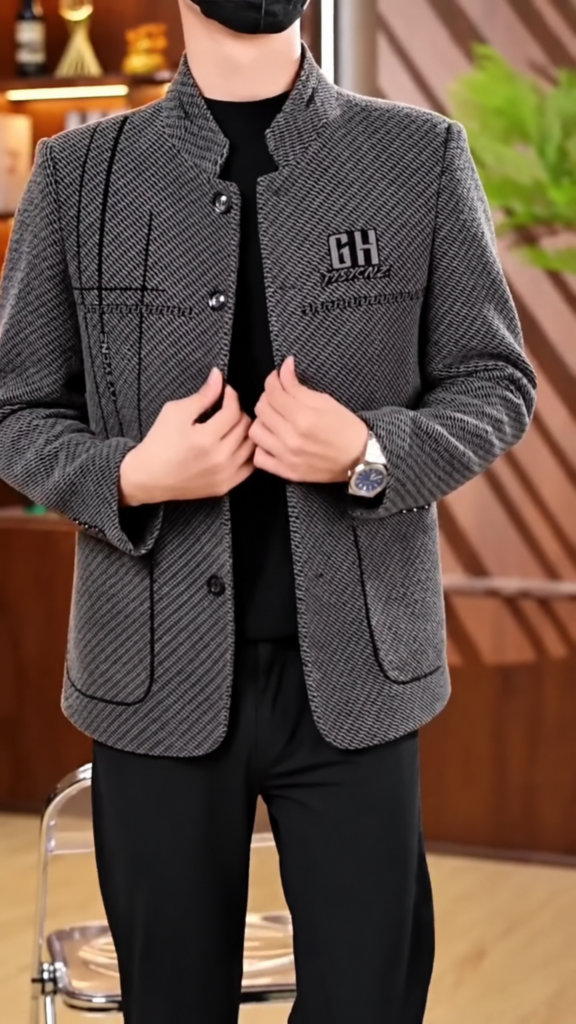
Best for: cold, dry days, travel and outdoor plans.
How it should fit: close enough to keep heat in, with room for a sweater underneath. The hem usually sits at the hip.
Style tip: a puffer looks best with slim jeans or joggers and sneakers or boots. Avoid very wide trousers, which make the outfit look bulky.
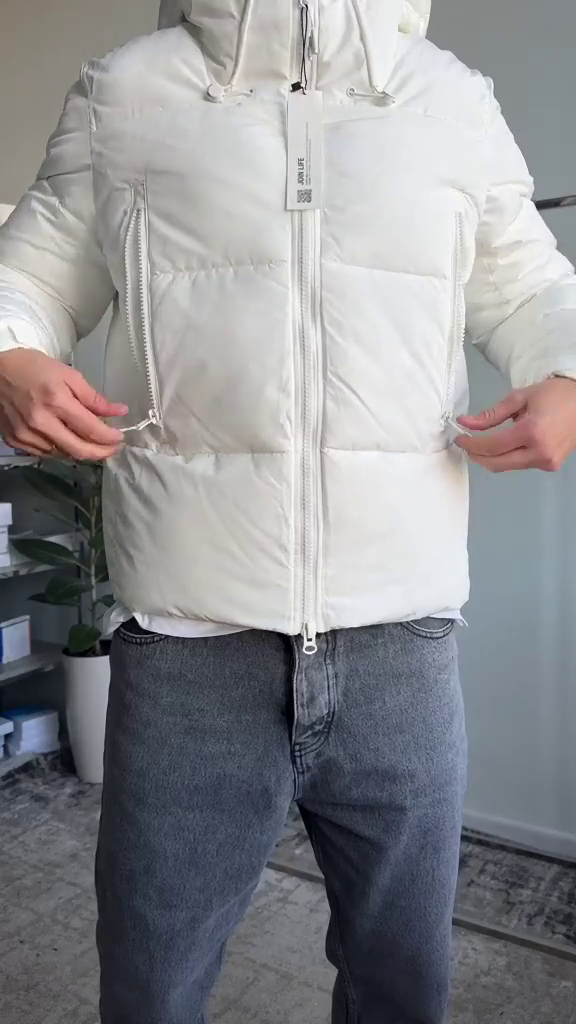
A hooded puffer adds protection against wind. White and light colours look fresh but show dirt sooner, so they need more care.
Down jackets
A down jacket is a type of puffer filled with natural down (the soft under-feathers of ducks or geese) or a synthetic alternative. Down gives a lot of warmth for very little weight.
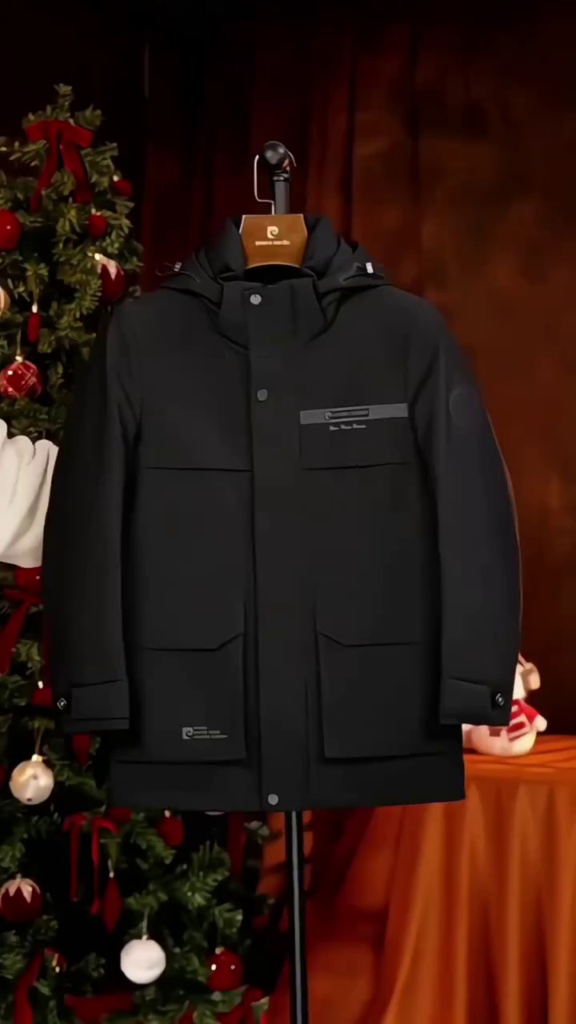
Best for: very cold places, hill stations and winter travel.
Things to know: natural down loses warmth when wet, so it is not ideal for heavy rain. Synthetic fill copes better with damp weather.
Care: most down jackets can be washed gently on a delicate cycle and dried on low heat with a couple of clean tennis balls to fluff the fill. Always check the label first.
Parkas
A parka is a longer jacket, usually reaching the upper thigh, with a hood and often a drawstring waist. Many parkas have a water-resistant shell and an insulated lining.
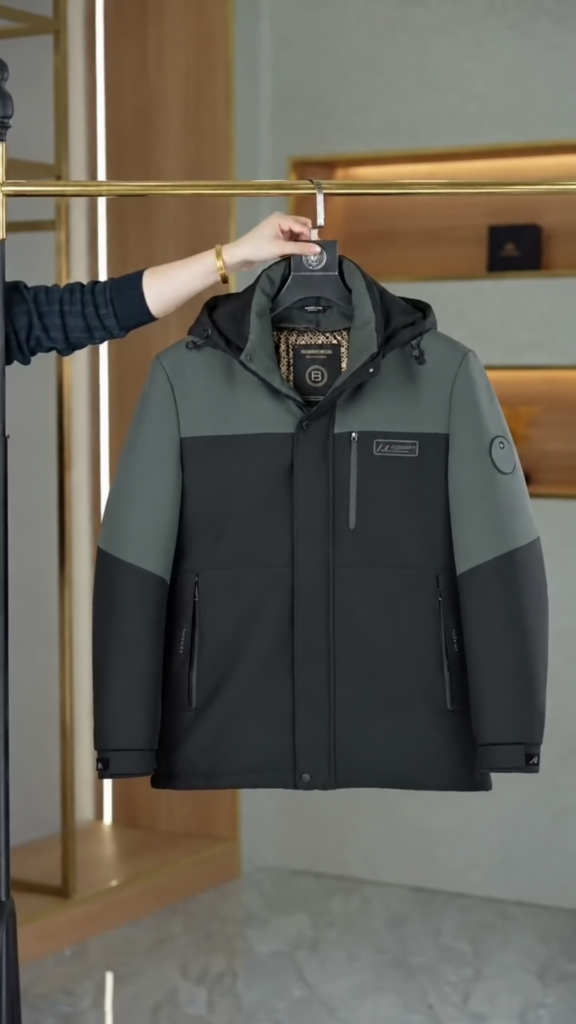
Best for: windy, damp or very cold days; commuting by bike or on foot.
How it should fit: roomy enough for layers, with sleeves that cover your wrists when you reach forward.
Style tip: parkas pair well with straight jeans, chinos and boots. Olive, navy, black and fawn are the most versatile colours.
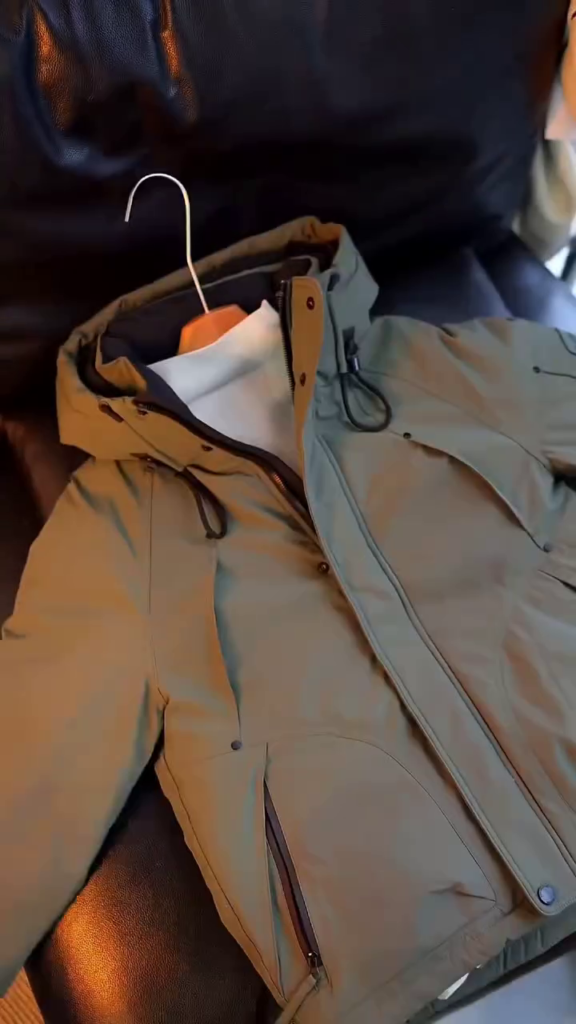
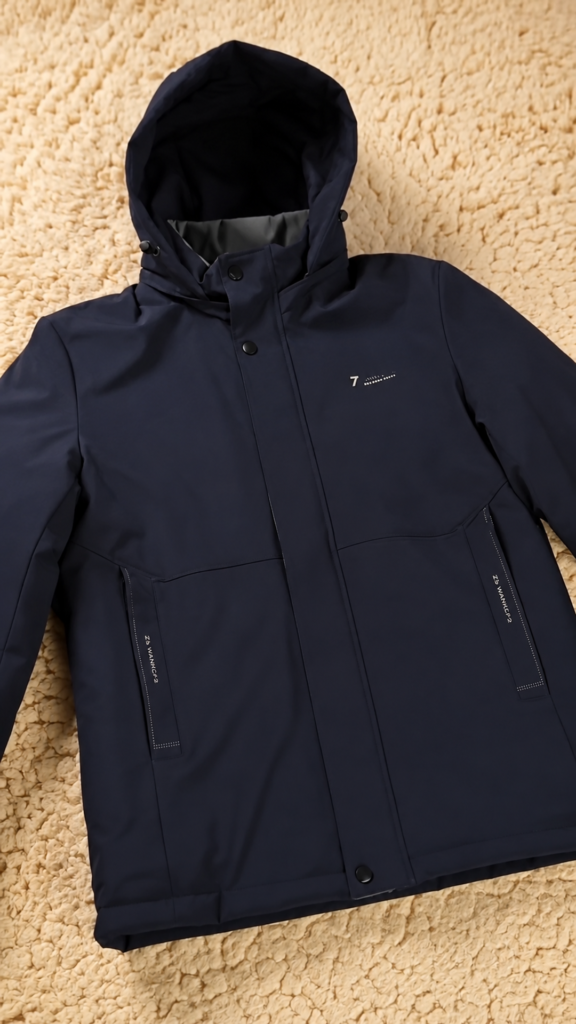
A lighter parka is a smart choice for cities where winter is mild. It blocks the wind on cool evenings without making you overheat indoors.
Wool and wool-blend coats
Wool coats look smarter than puffers and parkas. Wool naturally traps warmth, and a wool blend is lighter and easier to care for.
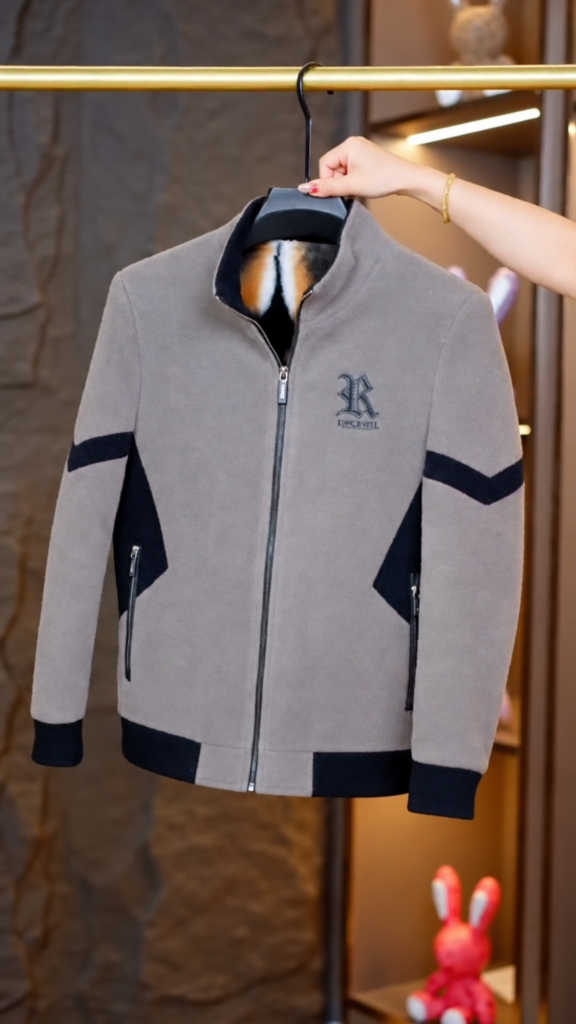
Best for: office, evening events and weddings in winter.
How it should fit: shoulders should sit exactly on your shoulders, and you should be able to close the coat over a shirt and a thin sweater.
Style tip: wear a wool coat over a shirt and trousers, or over a kurta for a winter wedding. Charcoal, camel and black are timeless.
Thick everyday jackets
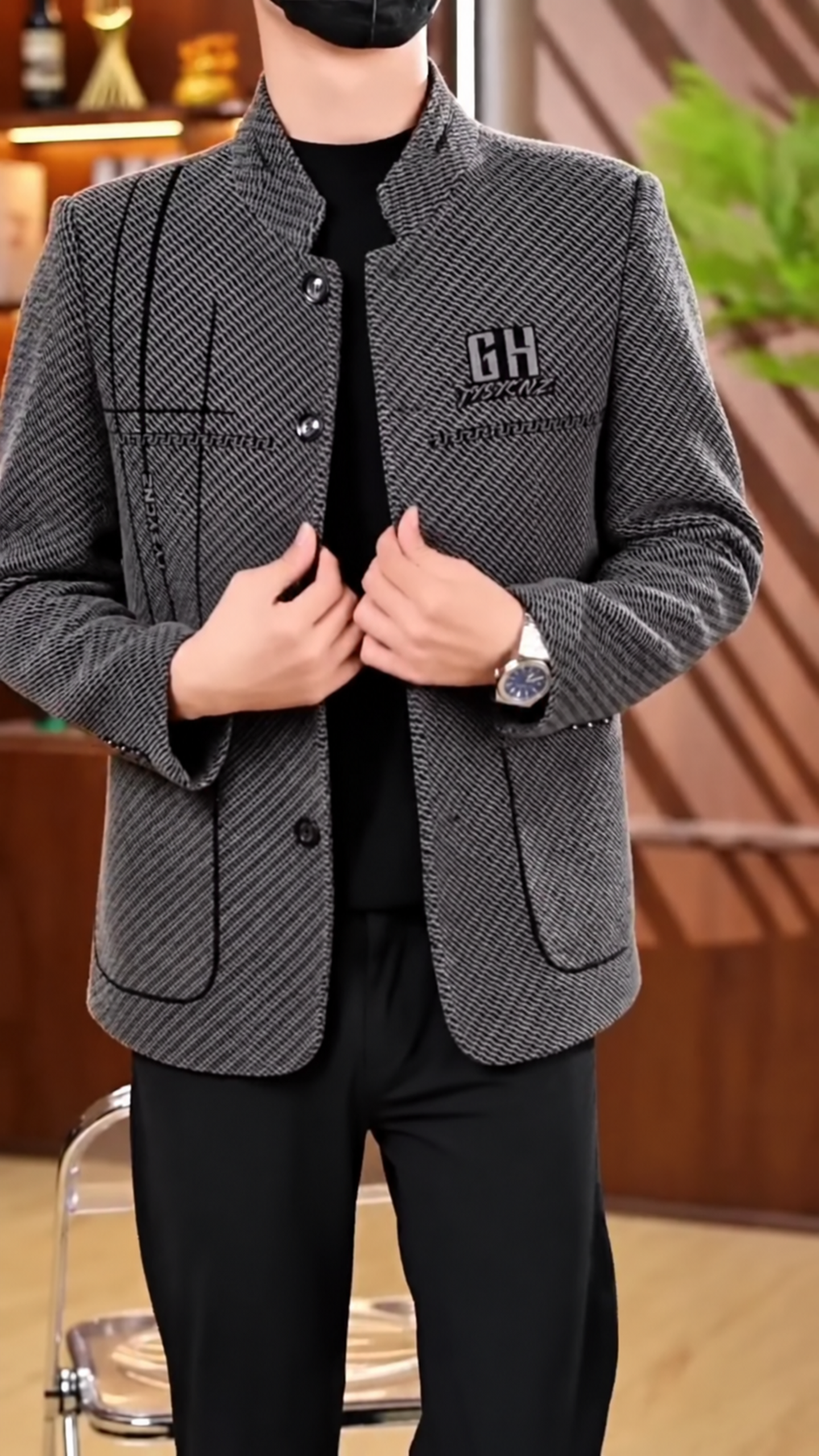
Some jackets sit between a light jacket and a full winter coat. They have a thicker shell and lining but no puffy fill, which makes them useful for moderate winters.
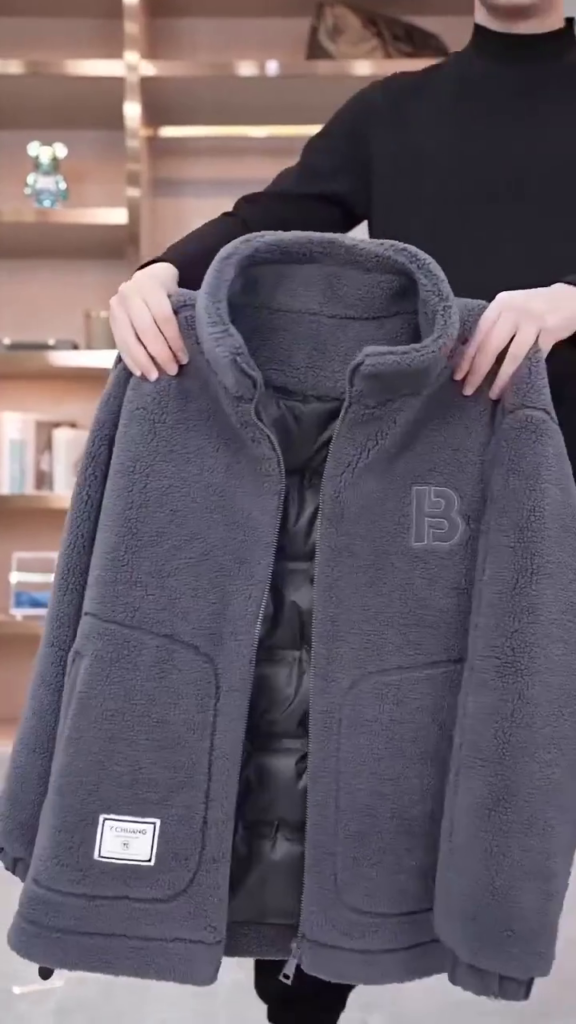
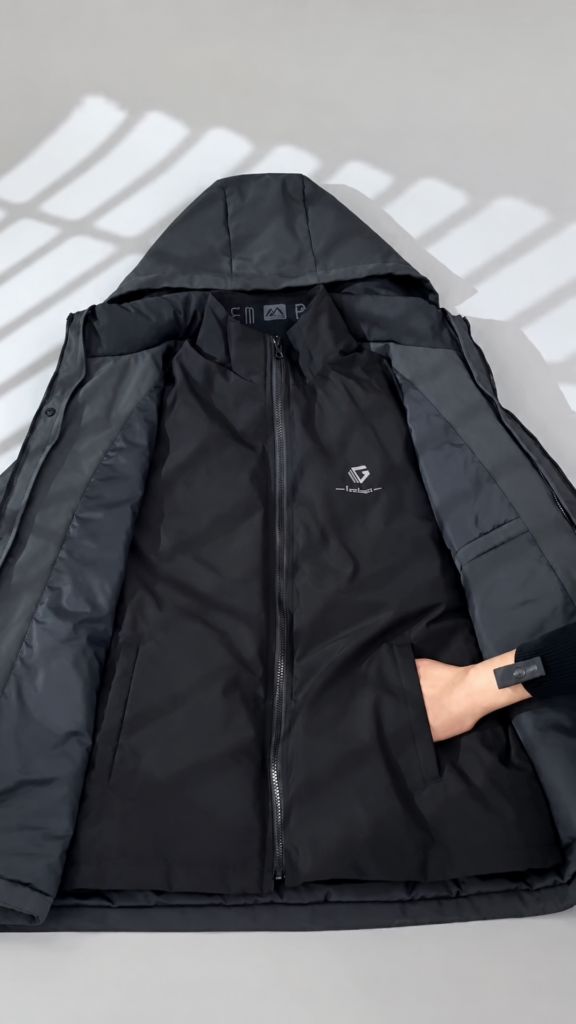
These are a good first winter jacket if you live somewhere with short, mild winters. They layer easily over a T-shirt or a sweatshirt.
How to choose the right winter jacket
- Think about your climate. Very cold and dry: down or puffer. Cold and damp: parka. Mild: thick casual jacket or light parka.
- Think about where you will wear it. Office and events need a wool coat; travel and weekends suit puffers and parkas.
- Check the hood. A hood is useful on windy days. A removable hood gives you two looks.
- Check the pockets. Inner pockets keep your phone and wallet safe; fleece-lined hand pockets keep fingers warm.
- Try it with layers. Wear a sweater when you try on a jacket so you know it will fit in real winter conditions.
Layering for Indian winters
Indian winters vary a lot from north to south, and from morning to afternoon. Layering helps you stay comfortable all day:
- Base layer: a cotton T-shirt or thermal top.
- Middle layer: a sweatshirt, hoodie or thin sweater.
- Outer layer: your jacket or coat.
Take the outer layer off indoors and you will not overheat.
Common mistakes to avoid
- Buying a size too small. You need room for at least one layer underneath.
- Choosing only black. Black is easy, but olive, navy or camel can make your winter outfits feel less repetitive.
- Storing a jacket damp. Always let it dry fully to prevent smells and mildew.
- Compressing a down jacket for months. Store it loosely so the fill keeps its loft.
Frequently asked questions
Which is warmer, a puffer or a parka?
It depends on the insulation, but parkas are usually longer and cover more of the body, so they often feel warmer in wind. A high-quality down puffer can be just as warm and lighter.
Can I wear a winter jacket to the office?
Yes. A wool coat or a smart, plain parka in a dark colour looks professional. Avoid very sporty puffers for formal settings.
How many winter jackets do I need?
For most Indian cities, one versatile jacket is enough. In very cold regions, owning a warm puffer or parka plus a smarter wool coat covers most needs.
How do I stop my jacket from smelling?
Air it out after wearing, wear a base layer underneath, and wash or clean it according to the label at the end of the season.
In short: match the jacket to your climate and your plans. Puffers and down jackets are warm and light, parkas protect against wind and damp, and wool coats keep you looking sharp. Leave room for a layer underneath, and one good jacket will carry you through the season.