
A good formal shirt is the foundation of office and event wear. Small details like the collar, the fit and the pattern make a big difference in how sharp you look. This guide covers what to look for, with examples of common styles.
Regular fit vs slim fit
- Regular fit: more room in the chest and waist. Comfortable for long days and suits broader builds.
- Slim fit: cut closer to the body for a modern look. Best for leaner builds.
- How to check: button the shirt and sit down. It should not pull between the buttons or balloon at the waist.
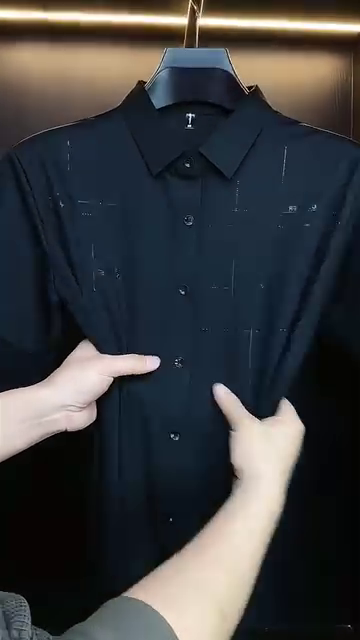
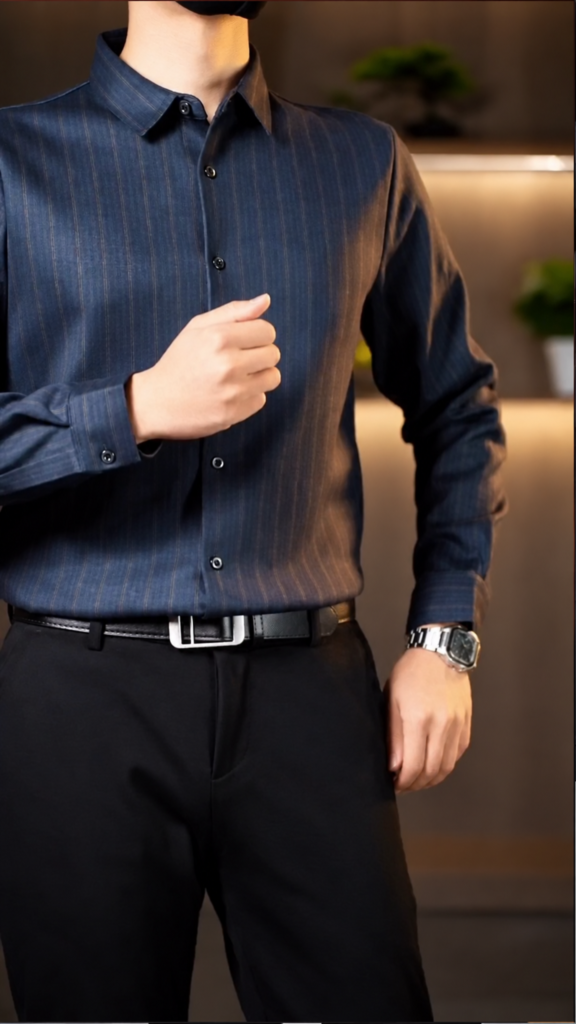
Collar styles
- Spread collar: points angled outward; works with or without a tie and suits most face shapes.
- Point collar: narrower angle; classic for business wear.
- Button-down collar: points buttoned to the shirt; slightly more casual.
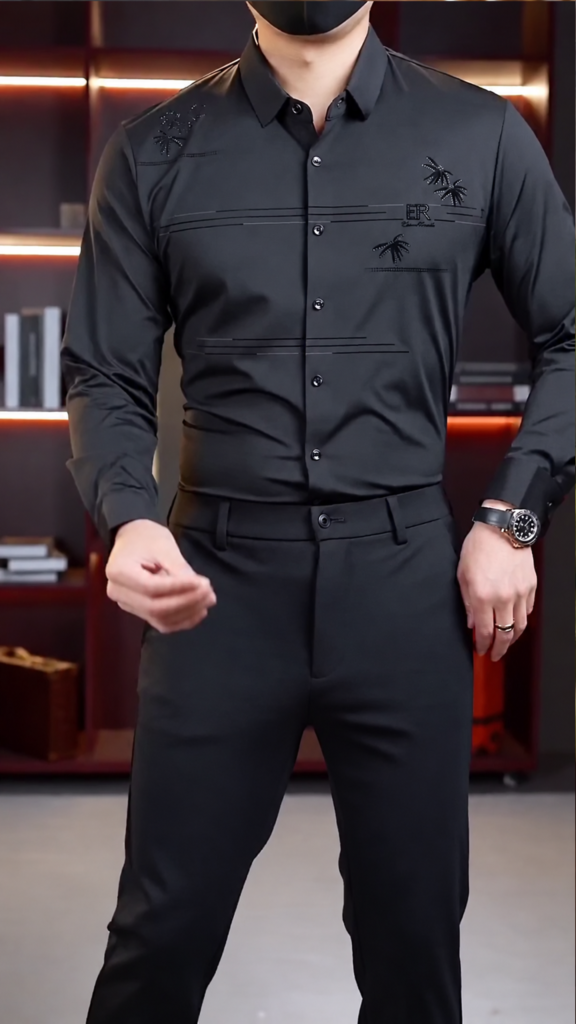
A spread collar is the most versatile choice. It looks clean when open and frames a tie knot neatly.
Solid colours
Solids are the backbone of a formal wardrobe.
- White: the most formal and goes with every suit and trouser.
- Light blue: slightly softer and suits almost every skin tone.
- Pale pink, lavender and grey: add variety while staying professional.
- Black and dark shades: better for evening events than daytime offices.
Stripes
Stripes add interest while staying professional.
- Thin pinstripes look the most formal.
- Wider stripes feel bolder and slightly more casual.
- Contrast details on cuffs or plackets add a designer touch.
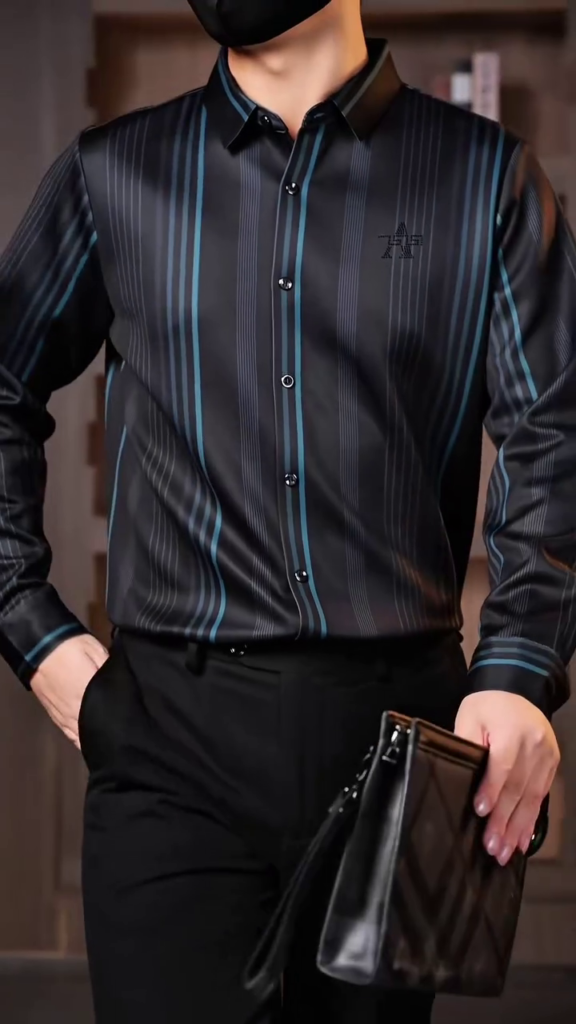
Tip: with a striped shirt, keep the tie solid or with a small pattern, and keep trousers plain.
Half-sleeve formal shirts
Half-sleeve formal shirts are common in Indian offices during summer.
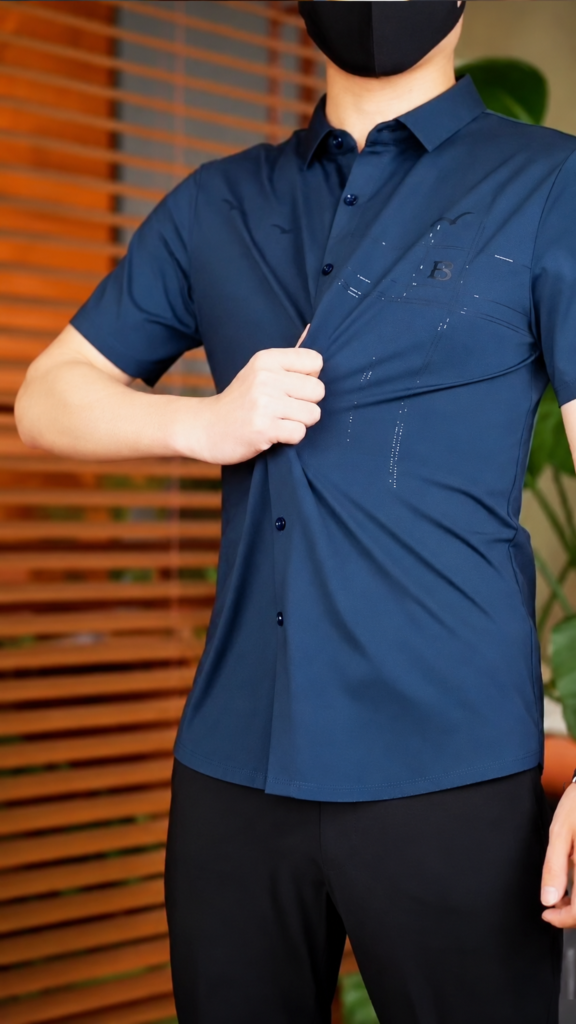
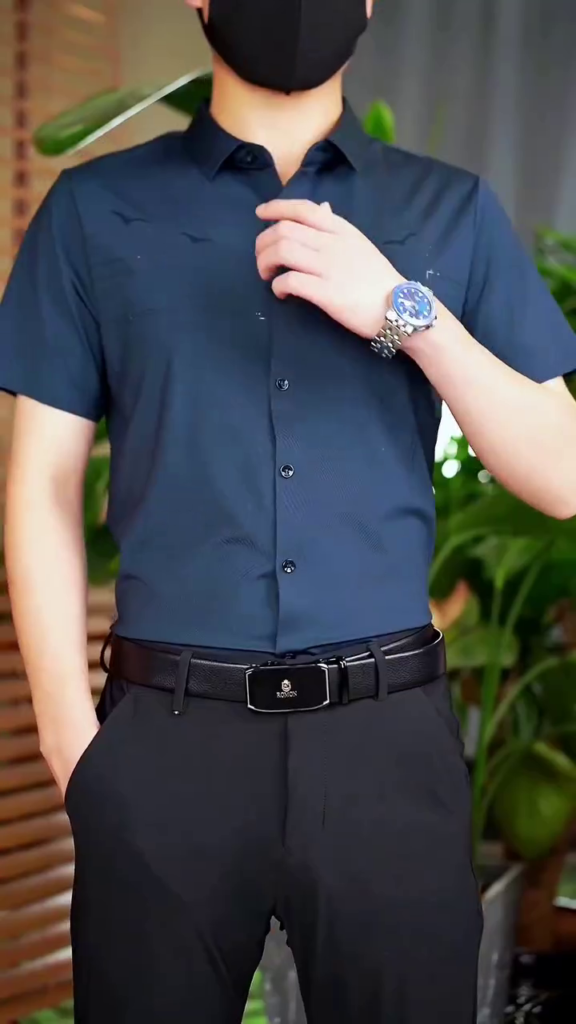
When they work: hot days, business-casual offices and travel.
When to avoid: client meetings, presentations and whenever you wear a tie or blazer.
Fit tip: sleeves should end around mid-bicep and sit close to the arm.
Fabrics
- Cotton: breathable and crisp; the most common choice.
- Cotton blends: fewer wrinkles, easier to iron.
- Linen: very cool for summer but creases easily.
- Poplin and twill: smooth weaves that look sharp.
How to wear formal shirts
Classic office
White or light blue shirt, navy or grey trousers, black or brown shoes, matching belt.
Business casual
Striped shirt, chinos, loafers, no tie.
Evening event
Dark solid shirt, black trousers, black shoes; add a blazer for formal occasions.
Fit checklist
- Collar: two fingers should fit inside when buttoned.
- Shoulders: seam sits on the shoulder edge.
- Sleeves: full sleeves end at the wrist bone.
- Length: long enough to stay tucked when you raise your arms.
Care tips
- Unbutton fully before washing.
- Pre-treat collars and cuffs to remove marks.
- Hang to dry on a hanger to reduce creases.
- Iron while slightly damp; start with the collar, then cuffs, sleeves and body.
Common mistakes to avoid
- Shirts that are too tight. Pulling buttons look untidy.
- Wrong undershirt. Choose a skin-tone or light grey vest that doesn’t show through white shirts.
- Short sleeves with a tie. Keep ties for full-sleeve shirts.
- Worn collars. Replace shirts when collars fray; it is the first place people notice.
Frequently asked questions
How many formal shirts do I need?
Five to seven cover a working week with spares. Start with two white, two light blue and one or two striped shirts.
Should formal shirts always be tucked in?
Yes, formal shirts are designed to be tucked in.
Which colour formal shirt suits all skin tones?
Light blue is the most universally flattering.
Can I wear a black formal shirt to the office?
In creative workplaces, yes. In traditional offices, keep black for evenings.
A five-shirt starter wardrobe
- White solid shirt with a spread collar.
- Light blue solid shirt.
- Thin blue or grey stripe shirt.
- Pale pink or lavender solid shirt.
- One dark shirt (navy or charcoal) for evening events.
With these five, you can mix and match with two or three trousers for weeks of different office outfits.
Ties and accessories
- With white and light blue shirts, almost any tie works.
- With striped shirts, choose solid or small-pattern ties.
- Match your belt to your shoes, and keep your watch simple.
- Cufflinks are only needed for French-cuff shirts.
A week of formal shirt outfits
Start Monday with a crisp white shirt, navy trousers and black shoes. On Tuesday, switch to light blue with grey trousers and brown shoes. Midweek, try a thin stripe with charcoal trousers. Thursday can be a pale pink or lavender shirt with navy. On Friday, if your office allows, choose a half-sleeve shirt with chinos for a lighter end to the week.
In short: build your formal wardrobe around white and light blue, add a few stripes for variety, choose a spread collar for versatility, and get the fit right at the collar and shoulders.